Empowering Your Journey: Navigating Cancer Care, Support, and Survivorship
Navigating the cancer journey can feel like walking through a labyrinth with no end in sight. It’s a journey filled with uncertainty, but you’re not alone, and there are resources available to guide you. Whether you’re a patient, a survivor, or a caregiver, understanding where to find support and information is crucial for fostering resilience and hope. As the saying goes, "You're stronger than you think," and with the right resources, you can turn your path into a story of empowerment and healing.
From oncology blogs to cancer support groups, the cancer community is vast and varied, offering a multitude of ways to find the information and support you need. Resources like health information databases, cancer awareness programs, and patient advocacy groups can illuminate your journey, helping you make informed decisions about disease management and treatment options. Have you ever wondered how knowledge can transform fear into courage? When you equip yourself with the latest cancer news and health and wellness information, you elevate your perception of what’s possible during your cancer care.
What if I told you that wellness resources play a significant role in cancer survivorship? Alternative medicine, nutrition for cancer patients, and mental health in cancer care can dramatically enhance your quality of life as you navigate through treatment. Imagine accessing a network that offers holistic health guides tailored to your unique journey. These resources not only contribute to physical well-being but also nurture emotional resilience, ensuring that you approach each hurdle with an empowered spirit.
In addition to medical research and cancer therapies, understanding the psychological aspects of the cancer journey cannot be overstated. The mental health component of cancer care is pivotal, often overlooked yet incredibly impactful. Engaging with stories of patient experiences can provide solace and insight; you are likely to find comfort in shared experiences. It’s important to ask yourself: how can I prioritize my mental health as I move forward on this journey?
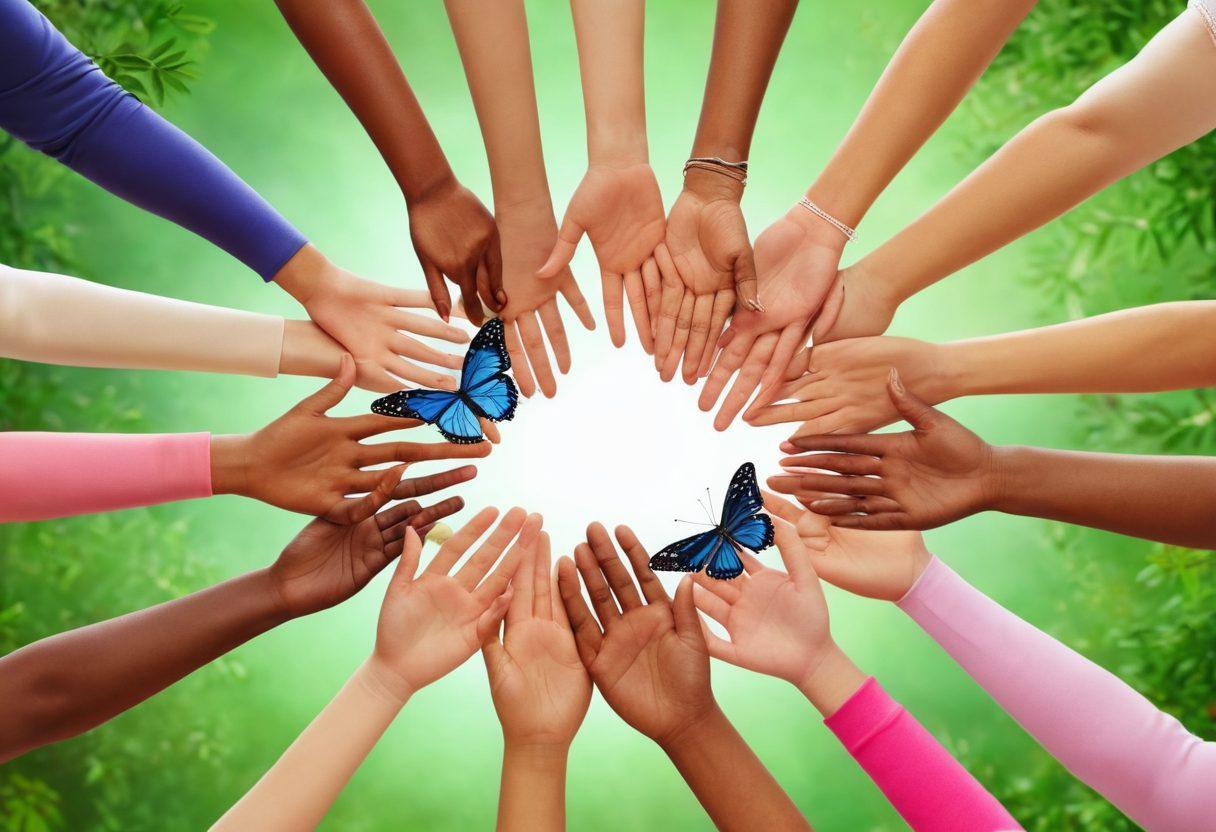
Lastly, let’s not forget the importance of community in navigating this complex journey. Joining cancer support groups fosters an atmosphere where patients and survivors uplift one another while sharing practical advice and emotional support. Through this exchange, you can better understand disease management and cultivate a hopeful mindset. Remember that as you traverse this path of healing, your experiences and stories can encourage others, creating a ripple effect of empowerment across the cancer community. Every step taken forward is a testament to your strength and resilience in the face of adversity.
Building a Strong Support Network: Connecting with the Cancer Community
Navigating the tumultuous waters of cancer diagnosis and treatment can feel like a solitary journey. However, connecting with the cancer community can transform that experience into one that is enriched with support, knowledge, and hope. Imagine finding a group of individuals who not only understand the emotional weight of a cancer diagnosis but also offer tangible resources and encouragement. As you embrace this challenge, discovering how to build a strong support network may just be the most empowering step you can take on this journey.
Why is building connections in the cancer community so vital? The answer stretches beyond just seeking advice; it embodies a collective strength that amplifies every story of survival and resilience. Quotes like, “You are not alone; we are fighting with you,” reverberate through support groups, oncology blogs, and wellness resources, reminding us that shared experiences can significantly uplift our spirits. Have you ever felt the soothing warmth of camaraderie when sharing your struggles? This sense of belonging can be the buoy that keeps us afloat amidst the storm, contributing immensely to our mental health in cancer care.
In today's age, the cancer community has transformed into a vast network of organizations, patient advocacy groups, and health information platforms aimed at empowering patients and their families. From cancer support groups that facilitate emotional healing to cancer education programs that equip individuals with vital knowledge about the latest cancer therapies and medical research, the resources available are abundant. To put it simply, every connection made is a thread woven into the larger fabric of disease management, and every story shared shapes a better understanding of the cancer experience.
As you embark on your journey, consider exploring alternative medicine and holistic health options that resonate with you. Nutrition for cancer patients plays a pivotal role in recovery and ongoing wellness, bringing together the community in a united front against this illness. Health and wellness initiatives offer sustainable ways to manage not just the physical aspects of cancer, but also the emotional toll it can impose. It's day-to-day actions, like joining a local cancer awareness program or attending workshops that foster creativity and knowledge, that can culminate in a resilient support network.
Recovering from cancer is not merely about survivorship; it's about thriving amid uncertainties. In this ever-evolving landscape of treatment and recovery, staying informed with the latest cancer news can help you navigate your next steps with confidence. The more connected you are with the cancer community, the more empowered you become. So, ask yourself: What can you do today to strengthen your support network? Whether it’s reaching out to a fellow survivor, participating in online forums, or diving into wellness resources, your journey towards healing doesn’t have to be walked alone. Let the stories you collect and the connections you forge guide you to the light of healing and hope.
Empower Your Health: Insights on Nutrition, Wellness, and Mental Resilience in Cancer Care
Navigating the journey of cancer care can often feel like sailing through tumultuous seas. Waves of uncertainty crash against your foundation, the horizon sometimes obscured by clouds of doubt. But amidst this chaos, there's a lighthouse of hope — the health and wellness insights that can empower your journey. By prioritizing nutrition for cancer patients, fostering mental health in cancer care, and engaging in the cancer community, you can illuminate your path to a healthier, more resilient you. How can we transform our narratives from fear to empowerment on this journey?
Think of nutrition not just as a means of survival, but as a powerful tool to enhance your cancer therapies. Research has shown that a balanced diet can dramatically influence recovery outcomes. Picture this: Feeding your body with vibrant fruits, whole grains, and lean proteins—not only uplifts your spirit but also strengthens your immune system. Integrating holistic health practices into your regimen fosters not just physical vitality but emotional and mental resilience. With every bite, you’re not merely satisfying hunger; you’re actively participating in your disease management. What will you choose to nourish your body today?
The mental aspect of cancer care is equally crucial and deserves dedicated focus. Have you ever considered how your mindset affects your healing process? It plays a pivotal role in how you respond to treatment, cope with side effects, and engage with your journey. Join supportive cancer support groups where you can share your patient experiences and learn from others who have walked similar roads. Reflecting on their stories can inspire you to cultivate a resilient spirit. What are your coping mechanisms, and how can they be amplified through community support?
On this journey, it's essential to constantly seek out wellness resources. Stay informed through the latest cancer news and medical research. Make it a habit to whittle down vast information into actionable insights. For instance, you might discover preventive health strategies that align with your lifestyle or alternative medicine practices that resonate with you. From yoga and meditation to nutritional supplements, these resources can provide you with a sense of control over your health. How often do you take a moment to assess the wellness resources available to you?
Ultimately, empowering your health means becoming an advocate for yourself and others in the cancer community. Engage in cancer awareness programs, disseminate health information, and emphasize the significance of cancer education not just for yourself, but for others undergoing similar challenges. Survivorship is not merely about overcoming but thriving in the aftermath of cancer. Encourage discussions that connect your experiences with broader narratives of hope; after all, there’s an entire community waiting to support and uplift you. What steps will you take today to champion not only your own health but that of others?